Snakes in your house or yard
A Williamson County yard with a woodpile, a mulch bed and a treeline behind it is snake habitat whether anyone intends it to be. The question is not how to have none. It is which ones, how often, and how close to the back door.
Every snake in Tennessee is protected wildlife, venomous species included. Killing one is a Class B misdemeanor under the state’s wildlife code, which carries up to six months and a fine. The exception is immediate danger to a person, and “it was in my yard” is not that.
This is not an abstraction in a county that kills watersnakes on sight for a name they do not own. If a snake has to move, it is moved by a wildlife control operator. TWRA keeps the list.
Start with the place.
Place narrows a snake faster than color does. Pick where you saw it and this shows the species that actually turn up there, ordered by how often they are recorded in this county.
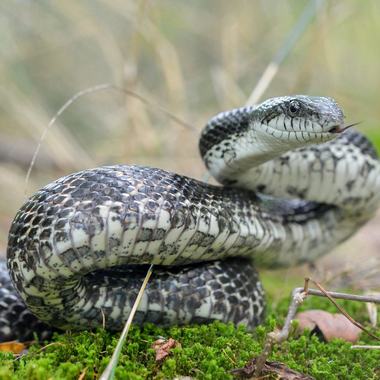
Gray Ratsnake
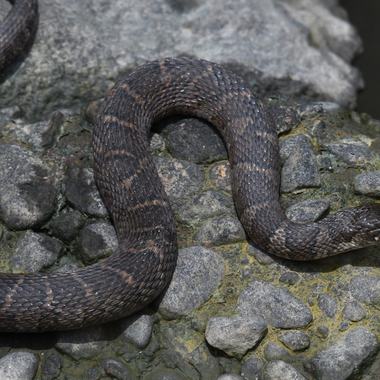
Northern Watersnake
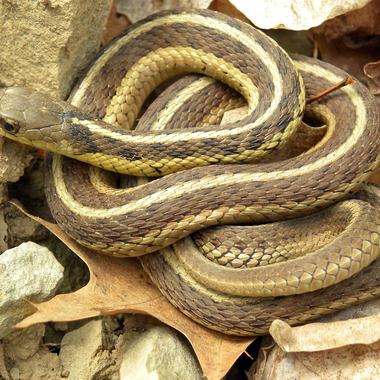
Common Gartersnake
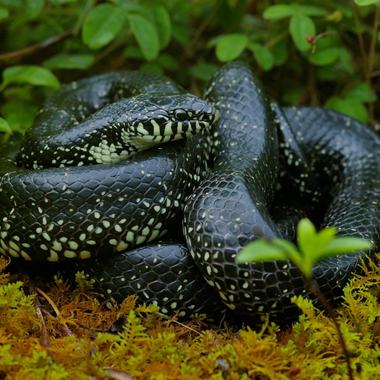
Eastern Black Kingsnake
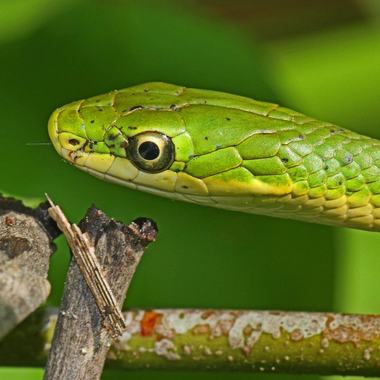
Rough Greensnake
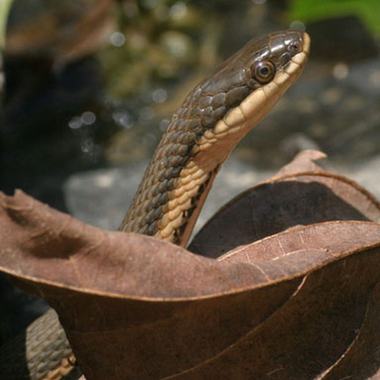
Queensnake
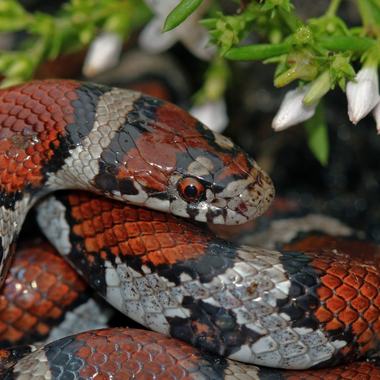
Milksnake
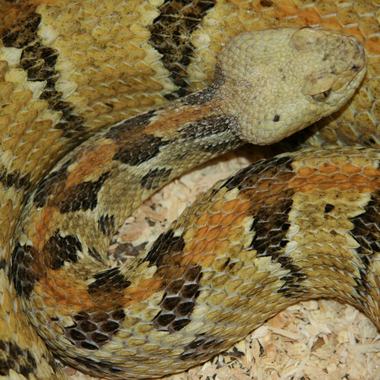
Timber Rattlesnake
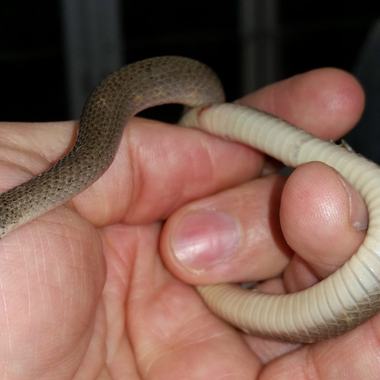
Smooth Earthsnake
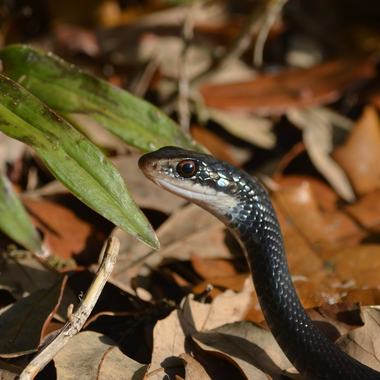
North American Racer
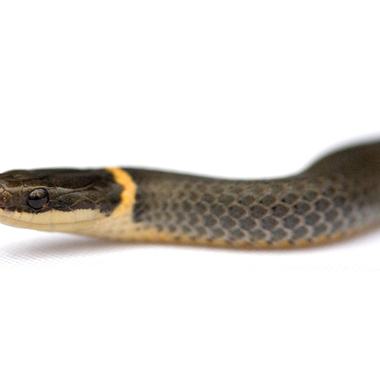
Ring-necked Snake
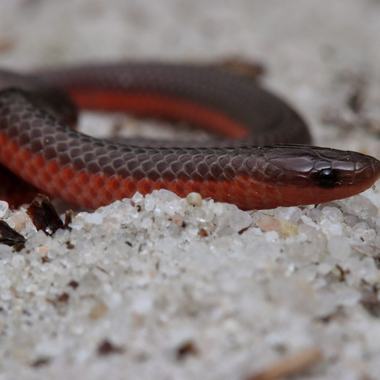
Eastern Wormsnake
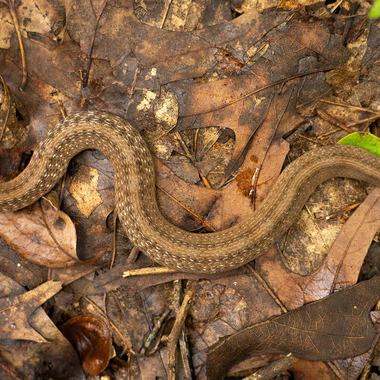
DeKay's Brownsnake
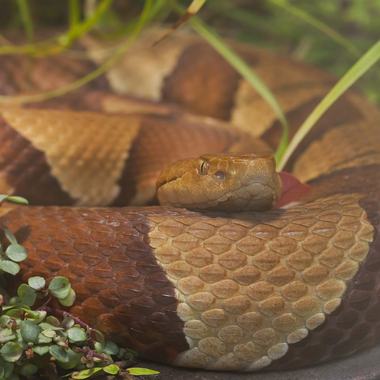
Eastern Copperhead
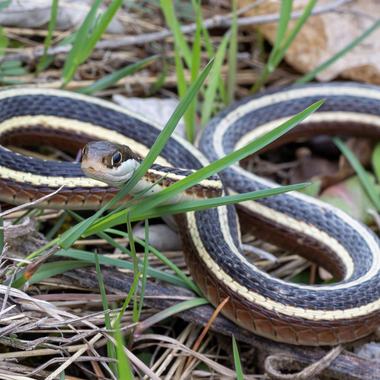
Common Ribbonsnake
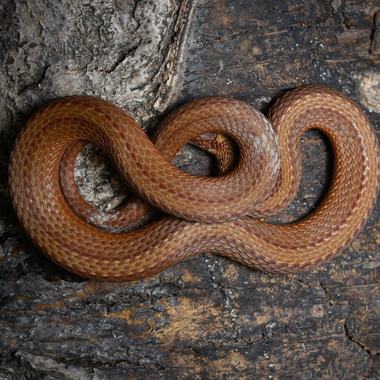
Red-bellied Snake
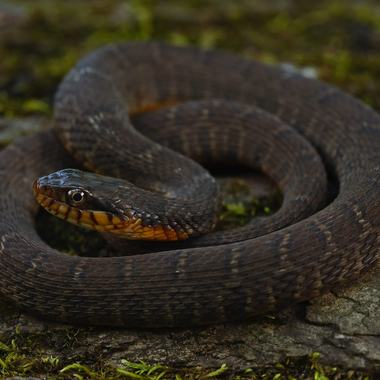
Plain-bellied Watersnake
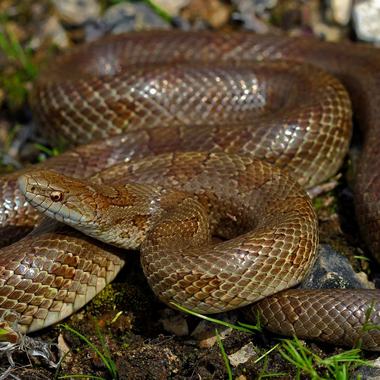
Prairie Kingsnake
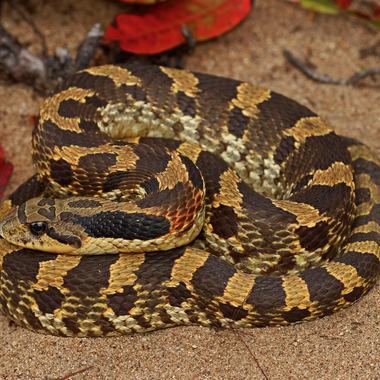
Eastern Hog-nosed Snake
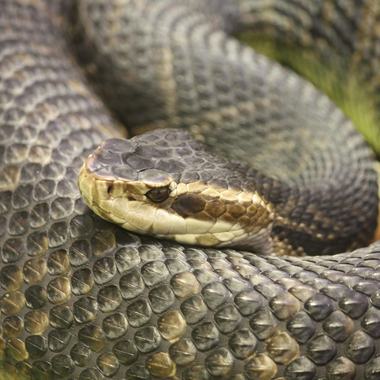
Northern Cottonmouth
Six things that actually work.
Every one of these removes food or cover. Nothing else has ever been shown to move a snake.
Deal with the mice first.
Every large snake in this county is here for rodents. Bird seed on the ground, open compost, pet food on the porch and an unswept feed room are the actual attractant. Remove the prey and the predator stops visiting.
Get the woodpile off the ground.
Stacked wood lying flat on soil is the best cover an acre can offer: warm, dry, full of mice, impossible to see into. On a rack, eighteen inches up, away from the house, it stops being a den.
Mow the edge, keep the middle.
A mown strip between the treeline and the play area does more than spraying the whole yard. Snakes cross open, close-cut ground reluctantly. Leave the back corner rough; that is where you want them.
Close the quarter inch.
A snake gets through any gap its head fits. Garage door sweeps, dryer vents, crawlspace screens, the gap behind a hose bib. Half-inch hardware cloth over vents and foundation gaps settles the house permanently.
Light the path to the bins.
Copperheads hunt at night from May to September, and the most avoidable bite in Middle Tennessee is a bare foot on a dark walkway. A cheap motion light and shoes handle it.
Keep the kingsnake.
A resident black kingsnake eats other snakes, including copperheads, and holds territory against them. It is the only copperhead control on this list that works while you are asleep and sends no invoice.
Four things that do not work.
Sulphur and mothball granules.Sold as snake repellent everywhere in the South. Snakes navigate by tongue and heat, and repeated testing has never shown these to turn one around. Mothballs used outdoors are also a pesticide misuse.
Ultrasonic stakes.Snakes have no external ears and hear mainly through ground vibration. A stake that buzzes in the soil is, if anything, an invitation to investigate.
Rope on the ground.An old camp story with no mechanism behind it. A snake will cross a rope, and often lie along it.
Glue boards.These do catch snakes, then kill them slowly, catch the wrong species, and leave you with a live venomous animal stuck to a tray you now have to handle.
A snake indoors, step by step.
Contain the room.
Shut the interior doors, put a rolled towel along the gap underneath, and take the dogs and the children out. A snake in a known room is a small problem; a snake in an unknown house is a week of anxiety.
Identify it from across the room.
Photograph it and check it against the four tells. Almost every indoor snake in this county is a ratsnake, a gartersnake or a brownsnake, and all three are handled the same way.
Bucket, board, treeline.
Drop a tall bucket or a bin over it, slide a stiff sheet of card underneath, and carry the whole thing to the back of the lot. Nothing on this list can climb a smooth plastic wall.
Leave the room and make the call.
Shut the door, keep the towel in the gap and call a wildlife control operator. Nothing about a copperhead in a laundry room is worth a personal attempt.
Find the way in.
Snakes do not open doors. Walk the foundation, the garage door seal, the dryer vent and the crawlspace hatch. If it came in once, the gap is still there.
Dogs take a large share of venomous bites in this country because they investigate with the nose and stay to bark. On the ridges and bluffs, and on any trail in this county from April to October, the lead is the whole of the strategy. A bitten dog goes to an emergency veterinary hospital immediately; Nashville has several open around the clock and they carry antivenom.
Pack it. Print it. Pass it on.
Most snakes killed in Williamson County are killed by someone who could not name them. Send this to anyone who gardens, hikes, keeps a woodpile, walks a dog off the greenway, or has a teenager who reaches into things. That is most of the county.
Sources
Medical disclaimer. This field guide is general educational information, not medical advice, and is no substitute for professional diagnosis or treatment. Any bite from a copperhead or a timber rattlesnake is a medical emergency: go to an emergency department, and call the Tennessee Poison Center at 1-800-222-1222 on the way. In an emergency, call 911. Identification disclaimer. No photograph identifies a snake with certainty, and this guide will not make anyone a herpetologist. When the answer matters, keep your distance and send a photograph to someone who does this for a living.