Lone Star Tick
Identification
Unlike most ticks, this one hunts. It does not wait on grass for a host to brush by. It detects carbon dioxide and walks toward you. Its bite can permanently change what you can eat.
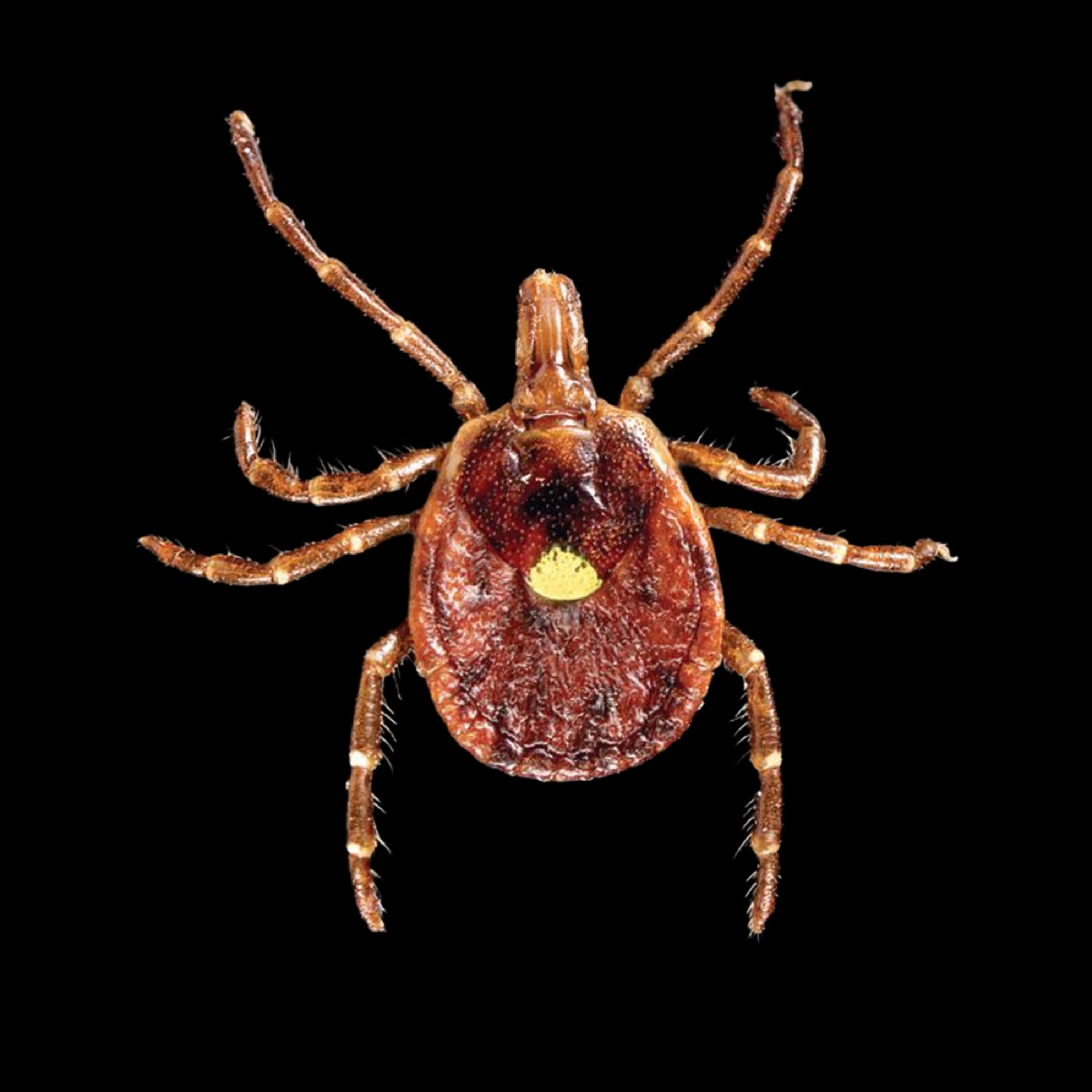
The lone star does not wait. Other ticks practice ambush from a grass blade. The lone star hunts. If you sit still in its habitat for ten minutes, several may already be on you.
Where to find it.
The Southeast, Mid-Atlantic, and increasingly the Midwest as far north as Wisconsin and as far west as central Texas.
Distribution Map
Source · CDC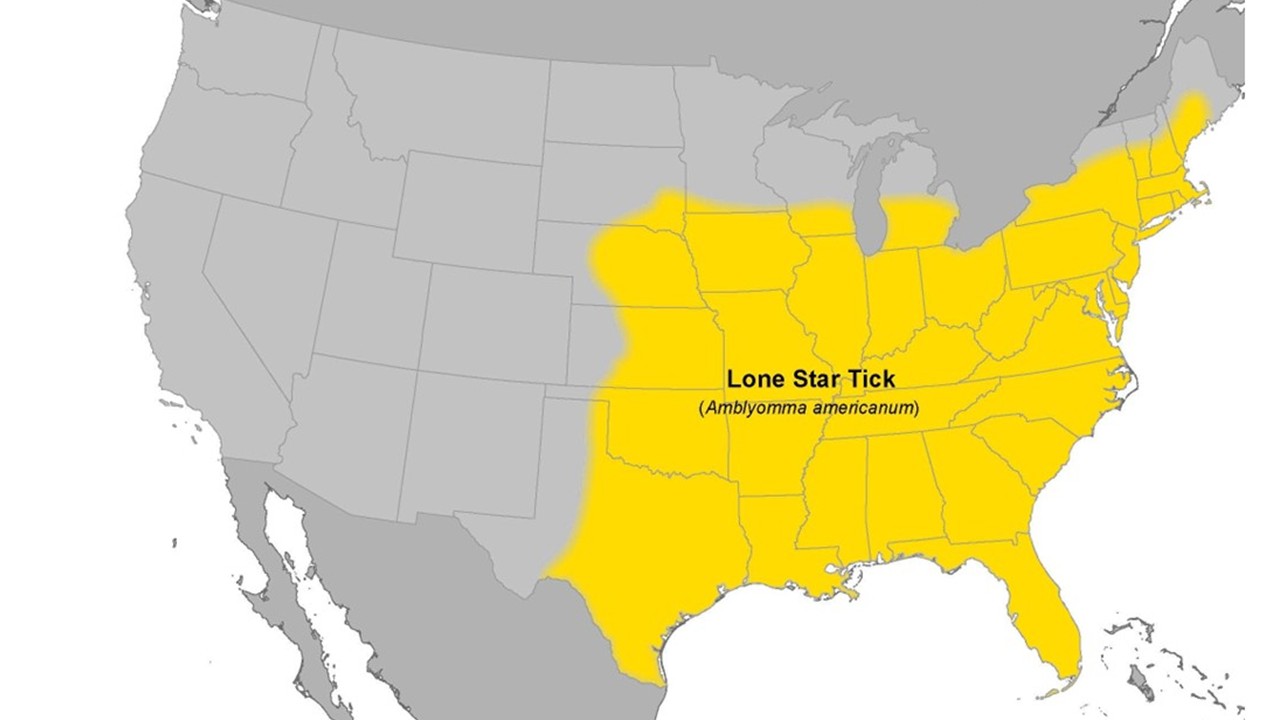
Active Season
When this species is questing for hosts. Peak months in red are the highest-risk windows.
If it bit you.
A bite from this species carries a specific set of risks. The timeline below tells you what to watch for and when to act.
Alpha-gal syndrome is a delayed allergic reaction to red meat and dairy that can appear weeks after a bite. It does not arrive with the tick. It arrives at your next steak dinner.
Remove and document.
Note the bite date carefully. Alpha-gal syndrome can incubate for weeks, and the connection is easy to miss without a written record.
STARI rash window.
Southern Tick-Associated Rash Illness mimics Lyme: red, expanding ring at the bite site. Treat similarly.
Ehrlichiosis signs.
Sudden high fever, severe headache, muscle aches, often without rash. Most common in summer. Treatable with doxycycline if caught early.
Alpha-gal onset.
Hives, swelling, or anaphylaxis appearing 3 to 6 hours after eating red meat, pork, or dairy. New food sensitivities after a bite are not coincidence.
Diseases This Species Carries
For the general post-bite protocol, visit the Bitten page.
Gear for lone star tick country.
The four products that matter most when this species is the one you are likely to encounter.

Permethrin Spray
Essential in lone star country. This tick hunts, so passive avoidance fails. Treated clothing kills on contact.
Shop →
Wondercide Insect Repellent
For heavy lone star pressure. This tick hunts toward you, so spray exposed skin and clothing and reapply often.
Shop →
Hiking Gaiters
Lone star larvae swarm up from leaf litter in their hundreds. Gaiters seal the boot-to-pant gap they climb through.
Shop →
Fine-Tip Tweezers
Lone star larvae are nearly invisible and attach in clusters. Fine, pointed tweezers grip each one close to the skin without crushing it.
Shop →Pack it. Print it. Pass it on.
The most-affected people are the least-informed. Forward this guide to anyone who hikes, hunts, gardens, owns a dog, has a child, or lives east of the Rockies. That covers most of the country.
Trusted Sources
Medical disclaimer. This field guide is general educational information, not medical advice, and is not a substitute for professional diagnosis or treatment. Tick-borne illness can be serious. If you develop a rash, fever, aches, or other symptoms after a bite, or if you are unsure, contact a healthcare provider promptly. In an emergency, call 911. Affiliate disclosure. Some product links in this guide are affiliate links; we may earn a small commission at no additional cost to you.