Asian Longhorned Tick
Identification
First detected in New Jersey in 2017. Now confirmed in nineteen states. A single female can produce 2,000 eggs without a male, which means one tick can found a population. Surveillance is young.
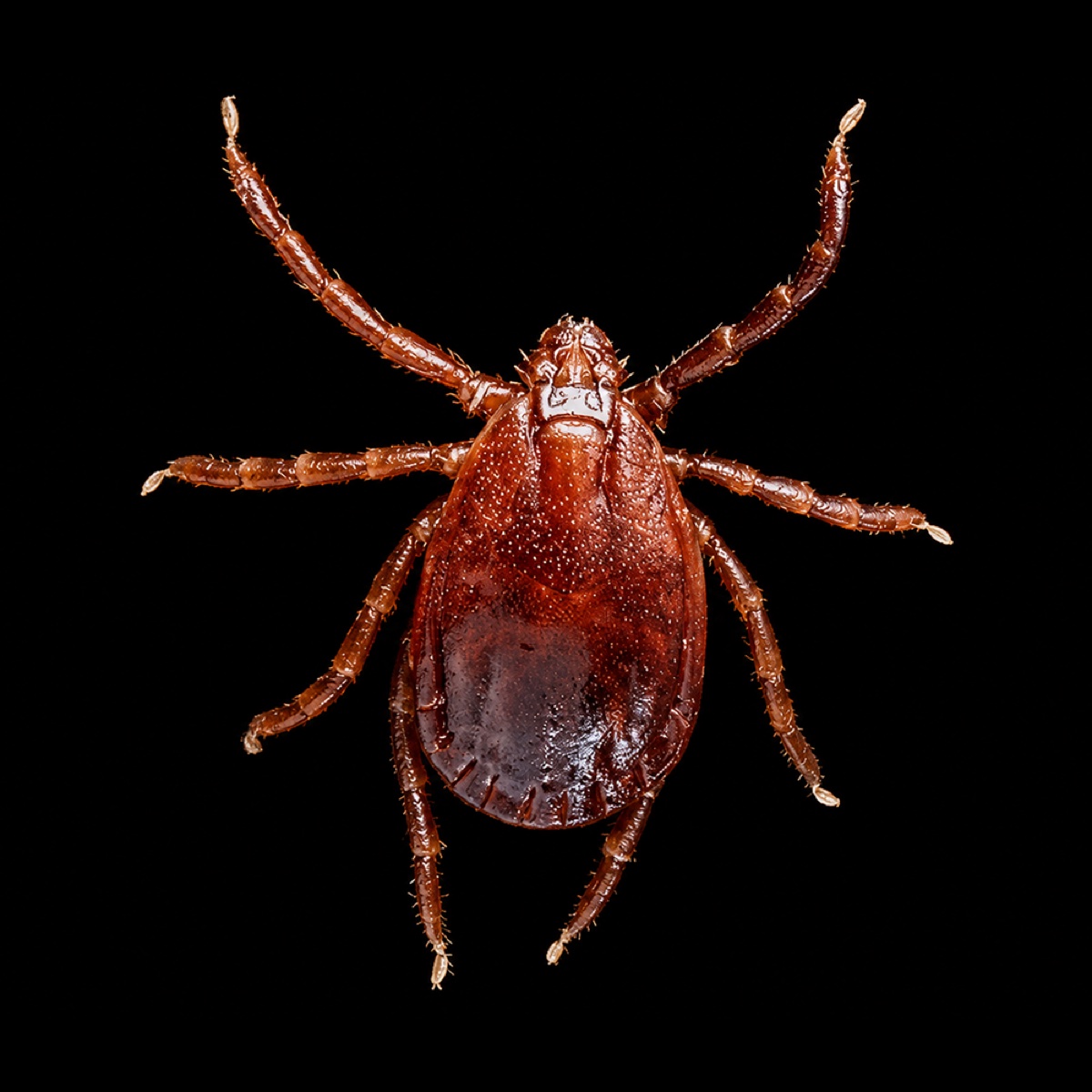
In its Asian range this tick transmits a virus with case-fatality rates above thirty percent. The US strain has not yet been linked to human illness, but the species is new and the surveillance is young.
Where to find it.
First detected in New Jersey in 2017. Now confirmed in at least nineteen states from Connecticut to Arkansas.
Distribution Map
Source · USDA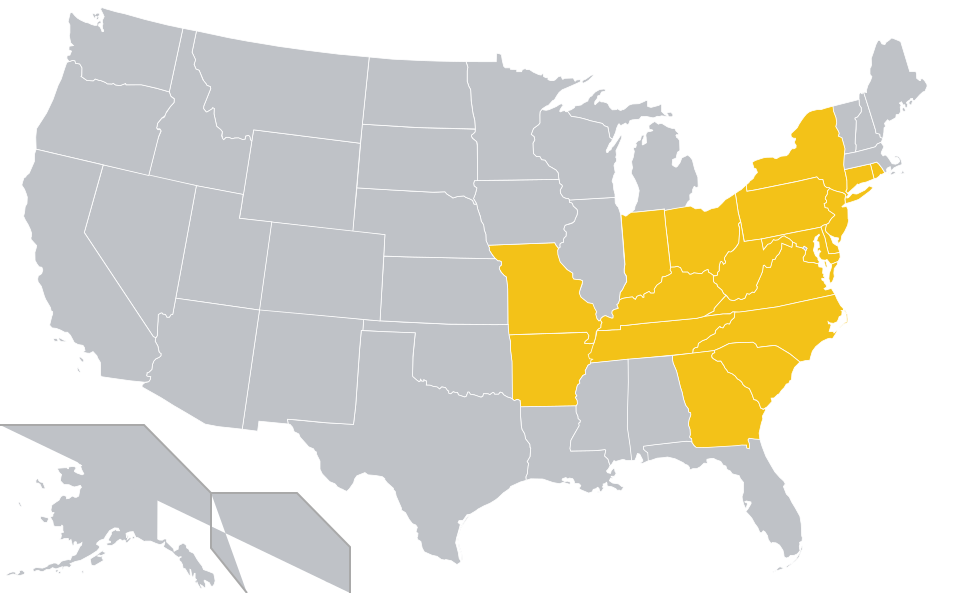
Active Season
When this species is questing for hosts. Peak months in red are the highest-risk windows.
If it bit you.
A bite from this species carries a specific set of risks. The timeline below tells you what to watch for and when to act.
Standard tick-borne illness protocol applies, but report any heavy infestation to your local agricultural extension office. This species is new enough that surveillance data still depends on citizen reporting.
Remove and report.
Save the tick. Photograph it. Send observations to your state agricultural extension or iNaturalist for surveillance data.
Symptom watch.
No US human deaths have been linked to this species, but standard tick-borne illness symptoms still apply: fever, headache, fatigue, joint pain.
Late presentations.
Heartland virus has been detected in lab samples. If symptoms persist, mention the species and the bite date to your doctor.
Inspect livestock and pets.
Heavy infestations on a single animal are diagnostic. Cattle and horses can die from blood loss in extreme cases.
Diseases This Species Carries
For the general post-bite protocol, visit the Bitten page.
Gear for asian longhorned tick country.
The four products that matter most when this species is the one you are likely to encounter.

Permethrin Spray
Treat field clothing for livestock or pasture work. Asian longhorned tick infestations often happen on a single animal.
Shop →
Wondercide Yard + Garden Spray
Spray field perimeters and pasture edges as a barrier. Cedar oil, so it can go down around livestock and near the bees.
Shop →
Hiking Gaiters
Pasture and tall-grass exposure. Gaiters block the ankle-and-shin attack vector this species favors.
Shop →
Tick Removal Kit
A full kit makes mass removals practical when twenty ticks land on a pant leg at once.
Shop →Pack it. Print it. Pass it on.
The most-affected people are the least-informed. Forward this guide to anyone who hikes, hunts, gardens, owns a dog, has a child, or lives east of the Rockies. That covers most of the country.
Trusted Sources
Medical disclaimer. This field guide is general educational information, not medical advice, and is not a substitute for professional diagnosis or treatment. Tick-borne illness can be serious. If you develop a rash, fever, aches, or other symptoms after a bite, or if you are unsure, contact a healthcare provider promptly. In an emergency, call 911. Affiliate disclosure. Some product links in this guide are affiliate links; we may earn a small commission at no additional cost to you.