How to remove a tick
The wrong removal method causes the tick to regurgitate stomach contents into the wound. The right method takes less time than reading this paragraph.
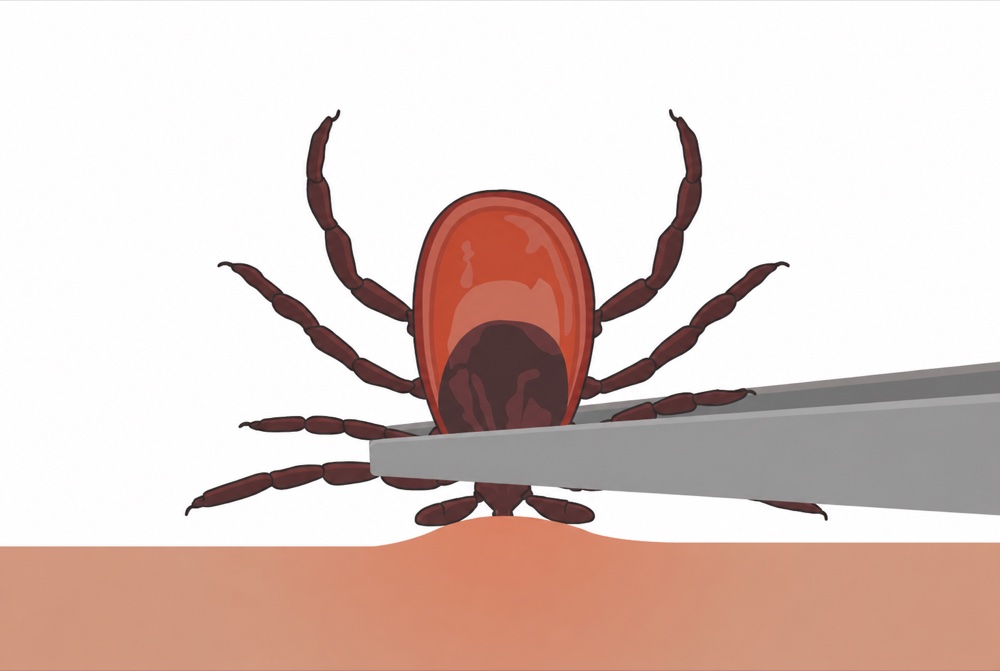
Grasp close to the skin.
Fine-tipped tweezers. Get the mouthparts, not the body. Pinching the body forces saliva into the wound.
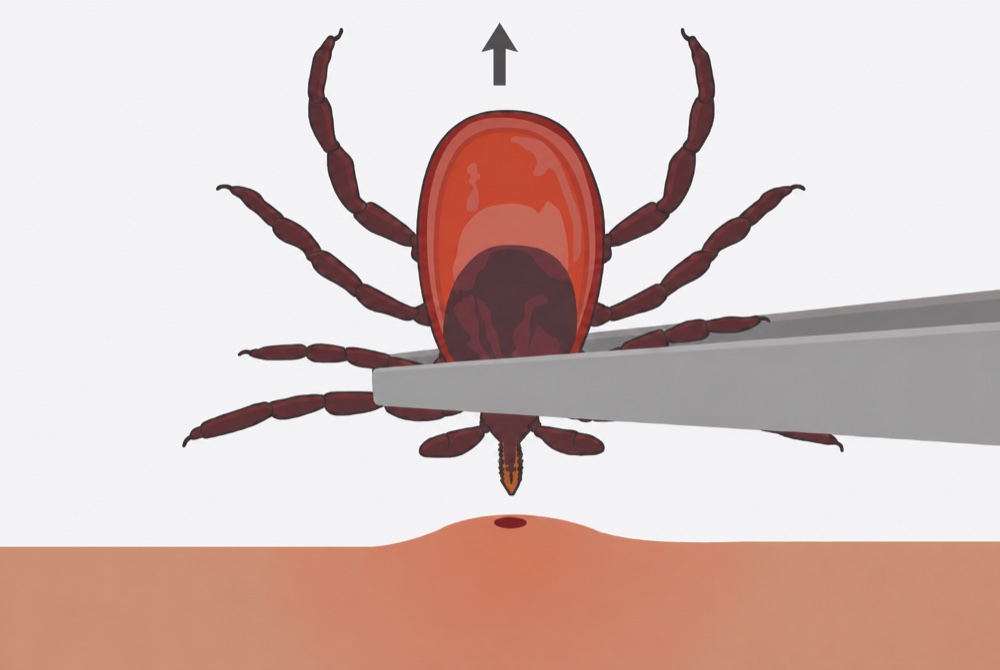
Pull straight up.
Steady, even pressure. No twisting, no jerking. The mouthparts release in a few seconds if you do not fight them.
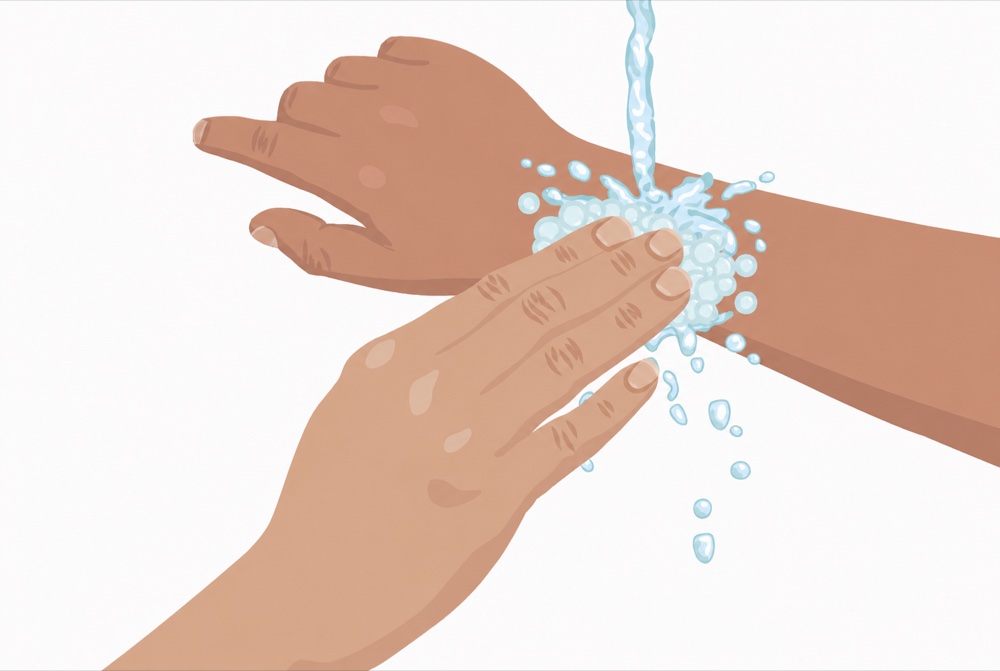
Clean the area.
Rubbing alcohol or soap and water on both the bite site and the tweezers. Then wash your hands thoroughly.
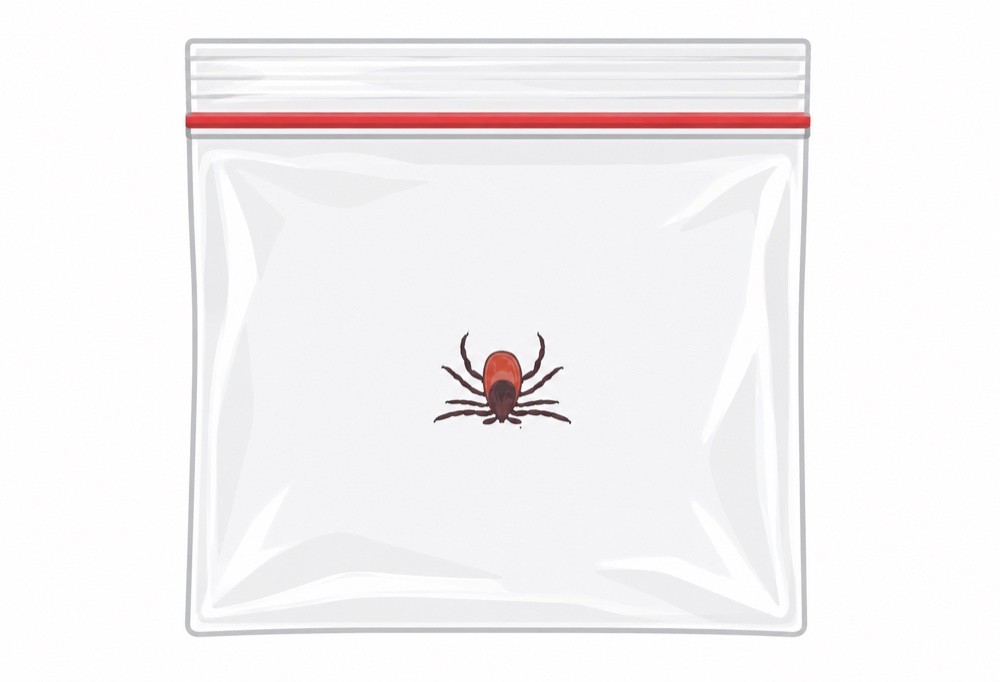
Save the tick.
Drop it in a sealed bag with a damp paper towel. Photograph it. If you develop symptoms, your doctor will want to see what bit you.
Four common methods that make it worse.
Petroleum jelly.Suffocating the tick takes longer than a clean pull and prompts it to regurgitate before releasing.
A lit match.Burning a tick attached to skin causes it to vomit pathogens directly into the bite wound.
Nail polish.Same problem. Slow death equals more contaminated saliva delivered.
Twisting or jerking.Snaps the mouthparts off and leaves them embedded, raising local infection risk.
Mark the date. Watch the window.
Most tick-borne illness is treatable when caught early. Symptoms can begin in three days or hide for a month. The first thirty days are the diagnosis.
Remove and document.
Note the date, the location on your body, the species if you can identify it, and any photo you can take. A small red ring at the bite site is normal and does not indicate infection.
Photograph site
The early window.
Watch for an expanding red ring, especially one with a clearer center. This is erythema migrans, the diagnostic rash of Lyme disease, present in 70 to 80 percent of cases. Flu-like symptoms without respiratory signs are an early warning.
or fever appears
The classic window.
Most Lyme rashes appear in this stretch. Fever, chills, headache, joint pain, fatigue. Rocky Mountain spotted fever often presents with a fever and a rash that starts on the wrists and ankles. The timing matters more than the textbook symptom list.
any symptoms
The late window.
Some infections, including babesiosis and ehrlichiosis, can incubate longer. Joint swelling, Bell's palsy, irregular heart rhythm, severe fatigue, or any new neurological symptom should be treated as tick-related until proven otherwise.
if severe
The long tail.
Alpha-gal syndrome from a lone star bite can take weeks to manifest, and shows up as a delayed allergic reaction to red meat or dairy three to six hours after eating. New food sensitivities after a tick bite are not a coincidence.
new symptoms
Different species carry different diseases on different timelines. If you saved the tick, the Identify page walks through what you're looking at, and each species page has its own care timeline.
Pack it. Print it. Pass it on.
The most-affected people are the least-informed. Forward this guide to anyone who hikes, hunts, gardens, owns a dog, has a child, or lives east of the Rockies. That covers most of the country.
Trusted Sources
Medical disclaimer. This field guide is general educational information, not medical advice, and is not a substitute for professional diagnosis or treatment. Tick-borne illness can be serious. If you develop a rash, fever, aches, or other symptoms after a bite, or if you are unsure, contact a healthcare provider promptly. In an emergency, call 911. Affiliate disclosure. Some product links in this guide are affiliate links; we may earn a small commission at no additional cost to you.