How to identify a tick
Most US Lyme cases come from nymphal blacklegged ticks the size of a poppy seed. The bite you remember is rarely the bite that infects you. Start with the size strip below, then match against the eight species.
The blacklegged nymph that transmits most US Lyme cases is roughly the diameter of the period at the end of this sentence. A tick check is a slow visual sweep, not a glance. An engorged tick has likely been on you for at least a day.

Blacklegged Tick
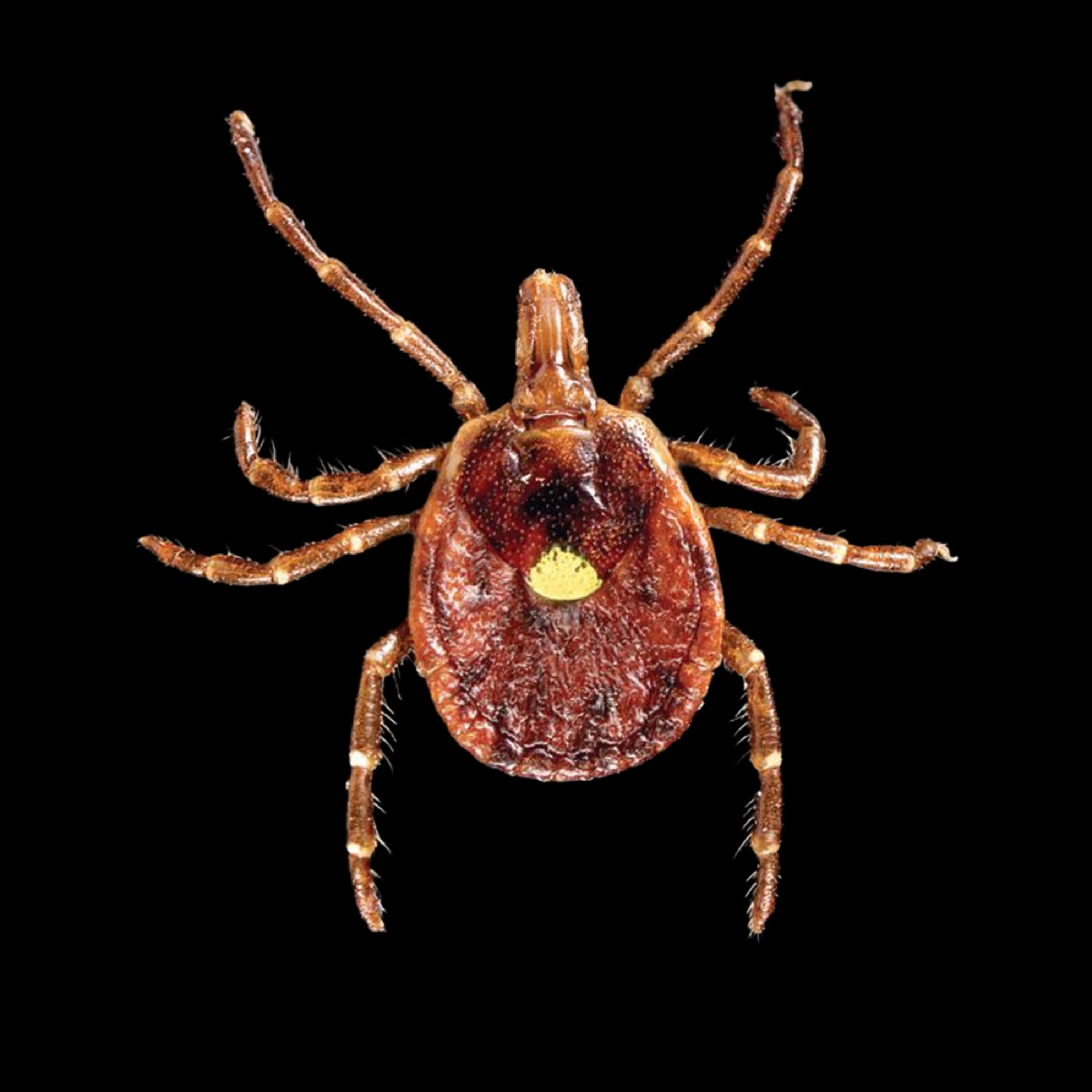
Lone Star Tick
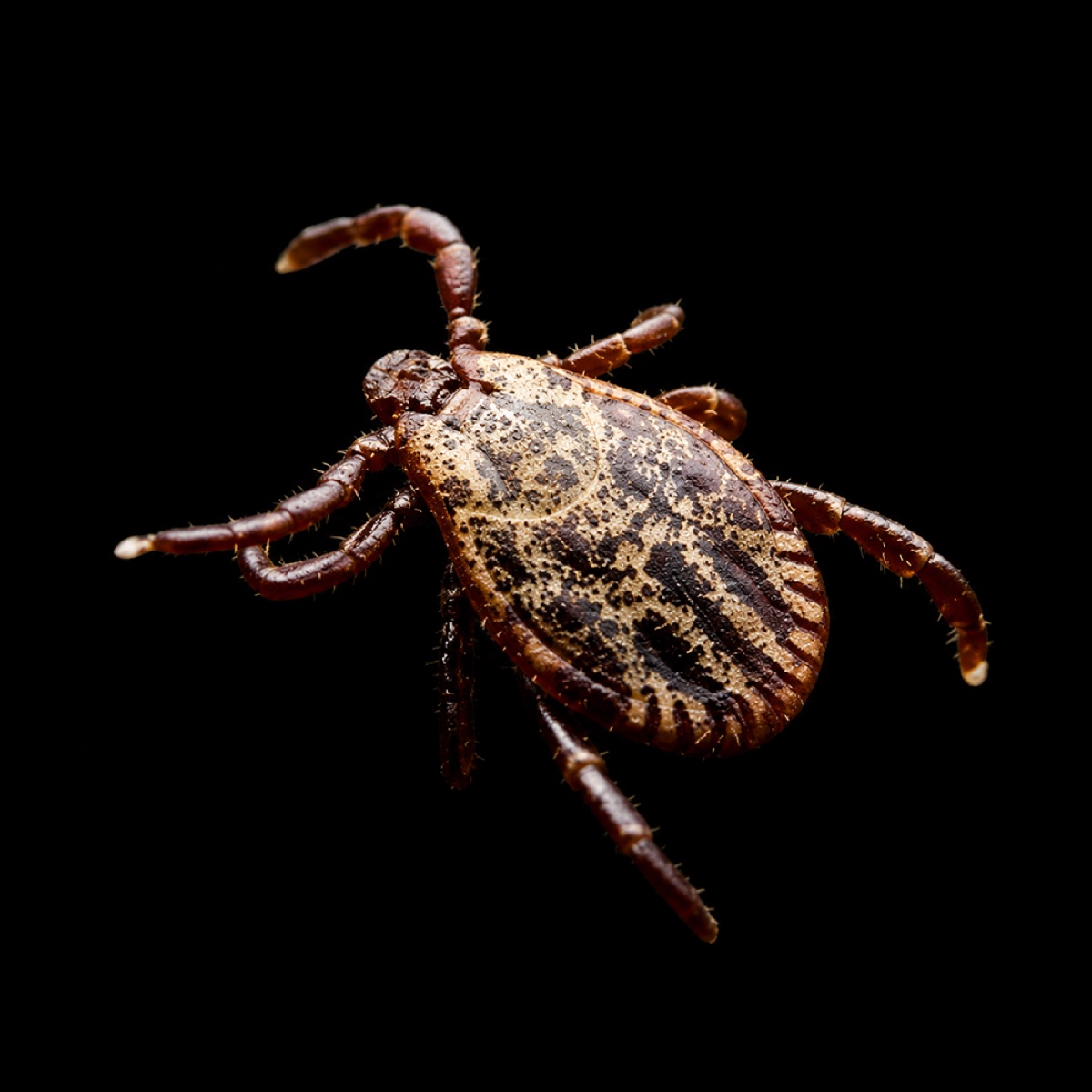
American Dog Tick
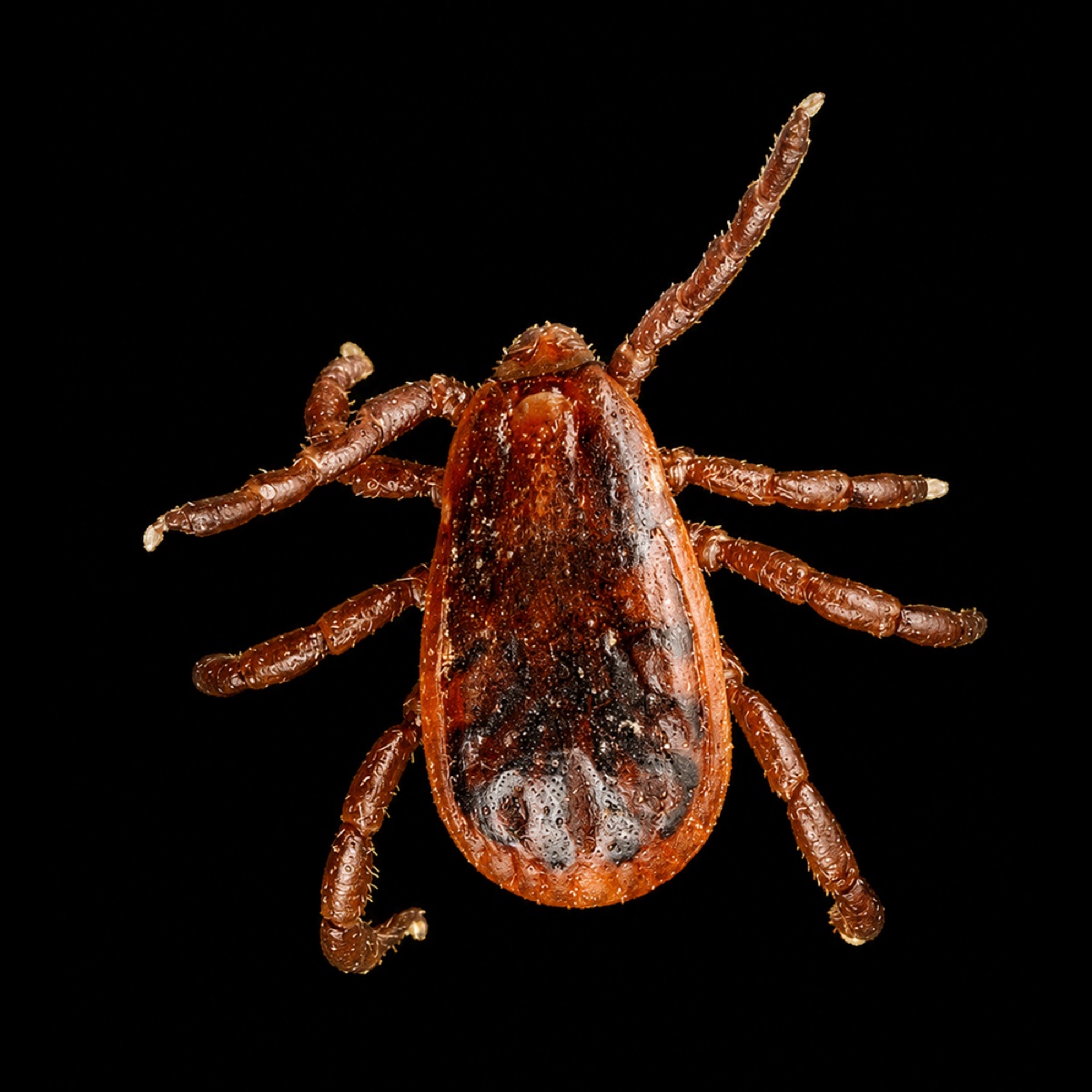
Brown Dog Tick
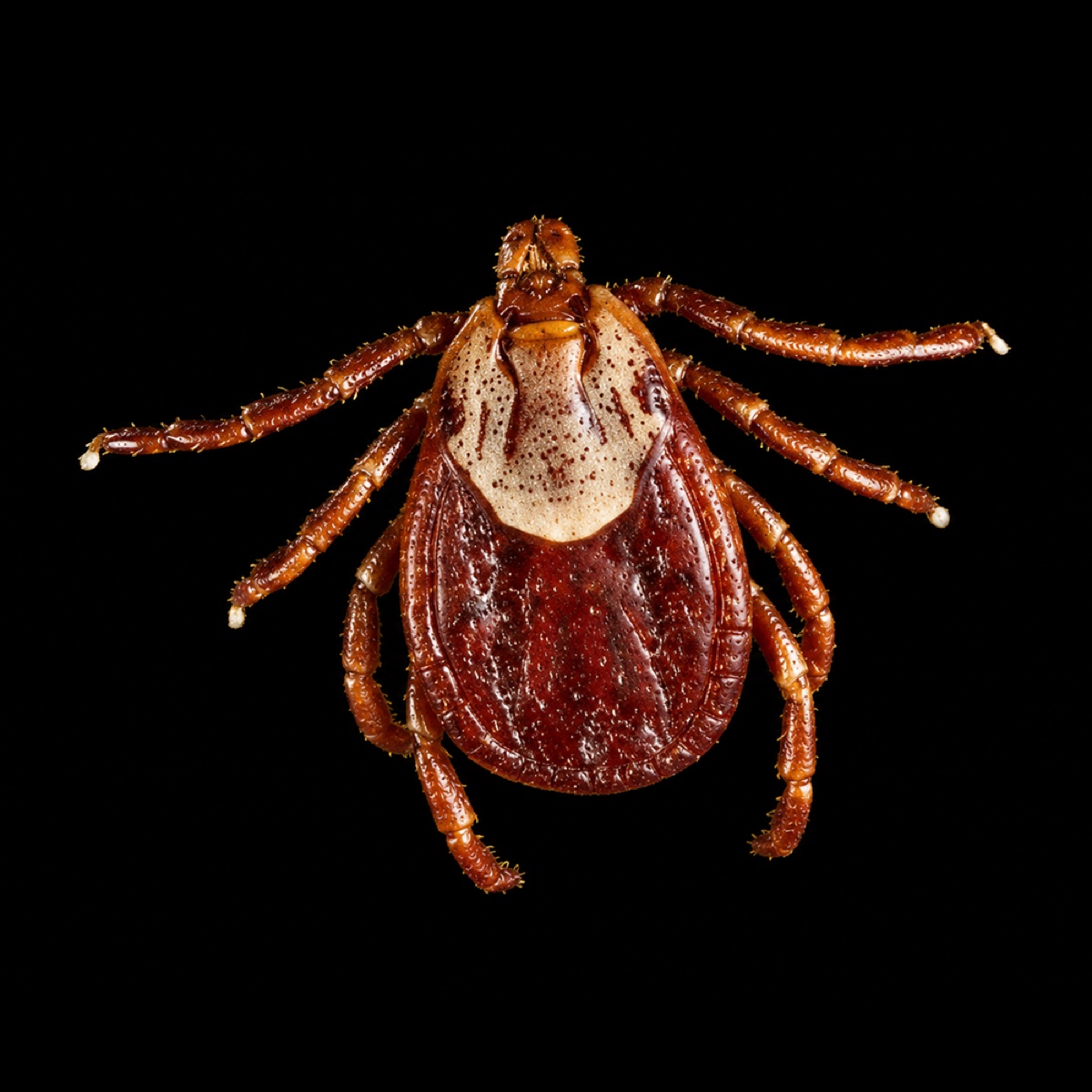
Rocky Mountain Wood Tick
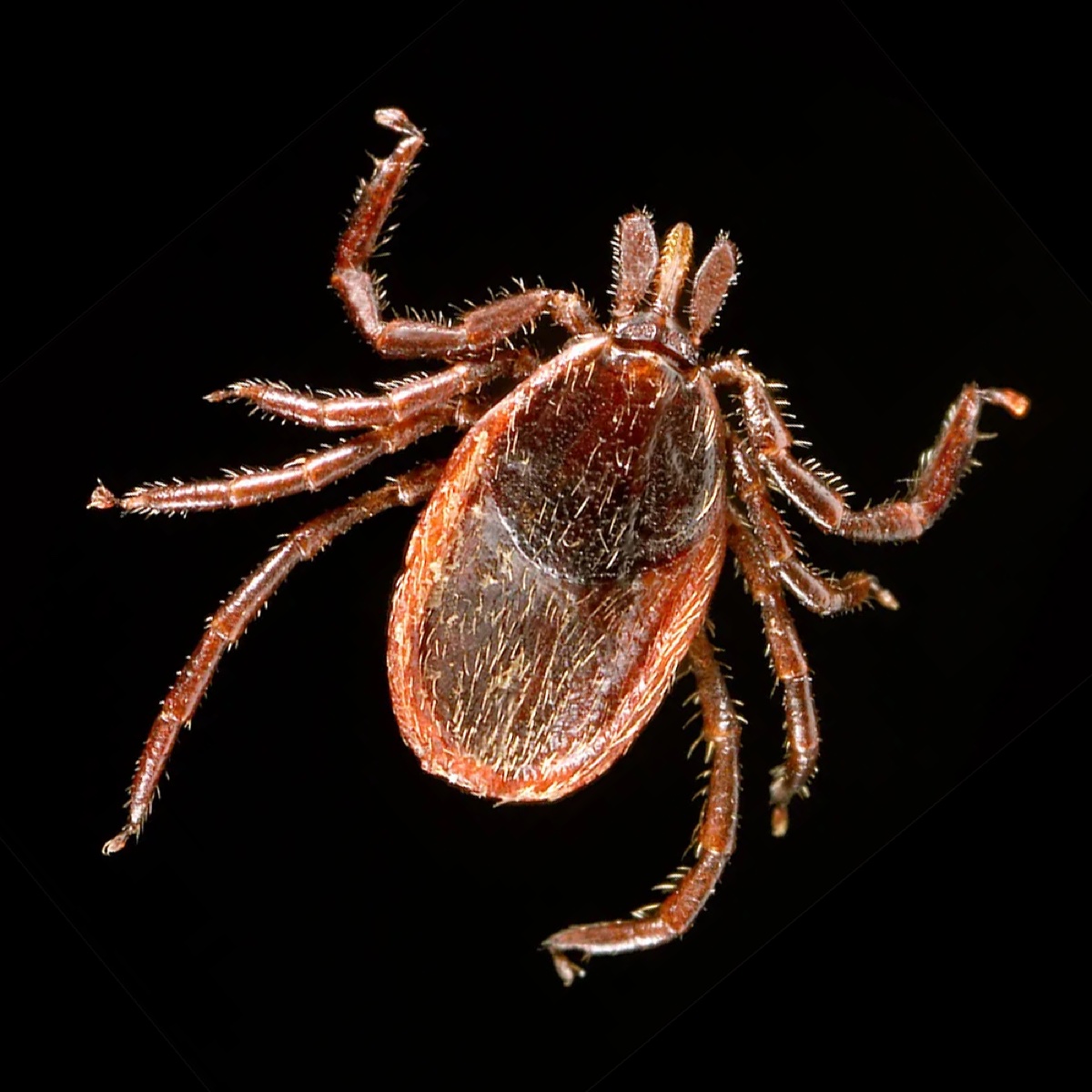
Western Blacklegged Tick
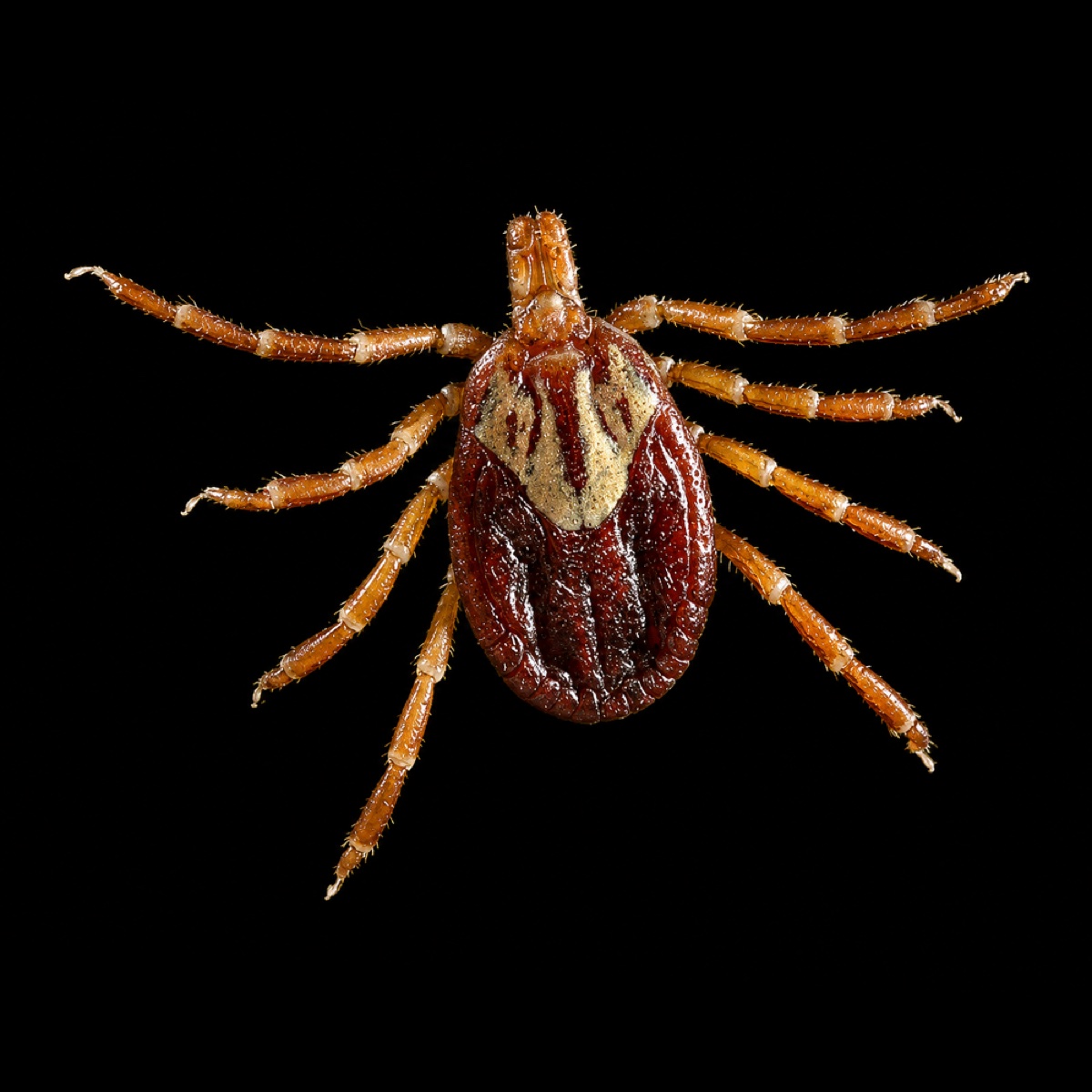
Gulf Coast Tick
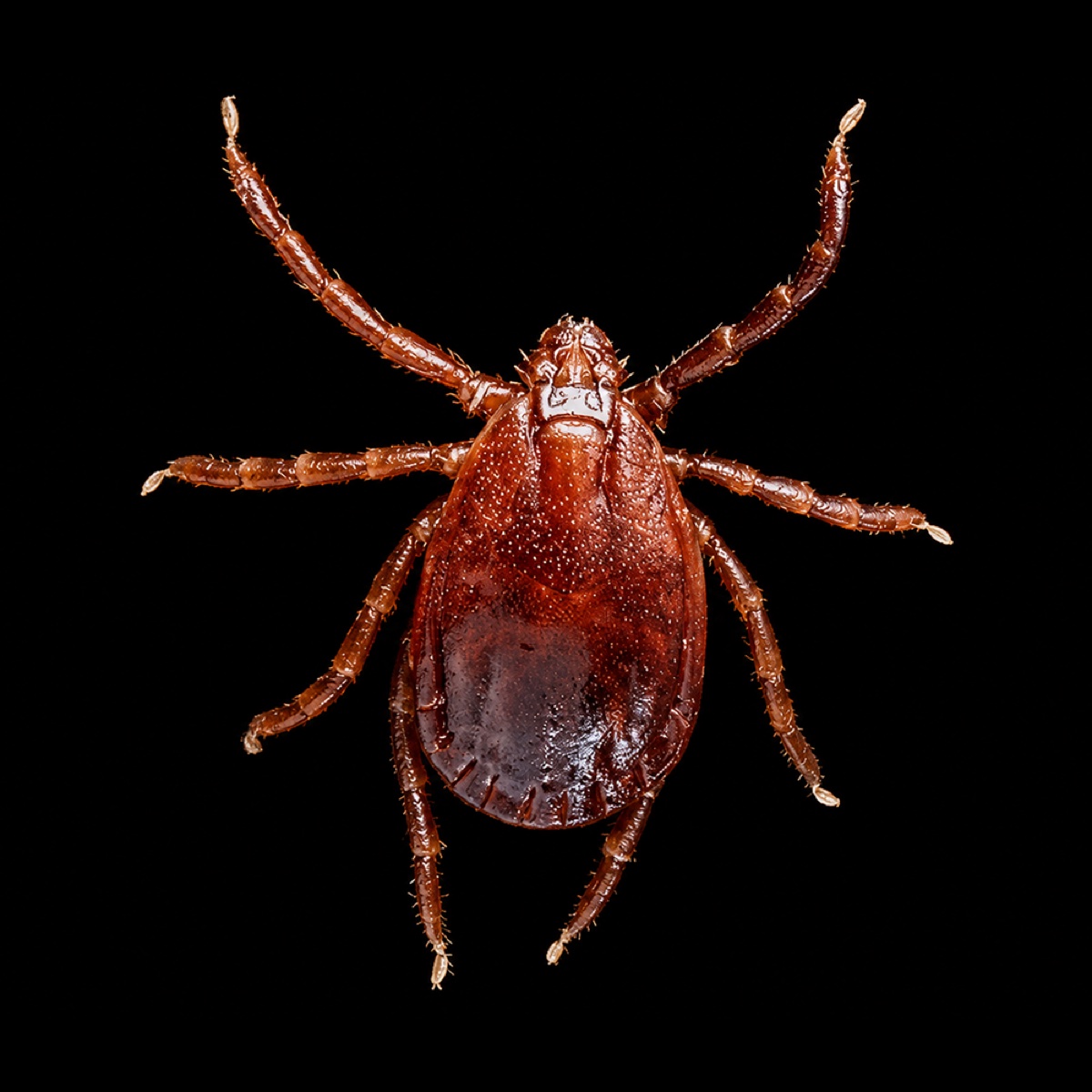
Asian Longhorned Tick
Pack it. Print it. Pass it on.
The most-affected people are the least-informed. Forward this guide to anyone who hikes, hunts, gardens, owns a dog, has a child, or lives east of the Rockies. That covers most of the country.
Trusted Sources
Medical disclaimer. This field guide is general educational information, not medical advice, and is not a substitute for professional diagnosis or treatment. Tick-borne illness can be serious. If you develop a rash, fever, aches, or other symptoms after a bite, or if you are unsure, contact a healthcare provider promptly. In an emergency, call 911. Affiliate disclosure. Some product links in this guide are affiliate links; we may earn a small commission at no additional cost to you.