5–3
BOMA vote, Apr 28
Development · Walkthrough
Franklin just annexed 311 acres of the old Harlin dairy farm and cleared a new village of roughly 250 homes, a boutique hotel, and shops. The vote was 5 to 3, over the objections of dozens of neighbors. Here is what actually got approved, what those neighbors won on traffic, and why the road fix they want most is still a 2032 project.
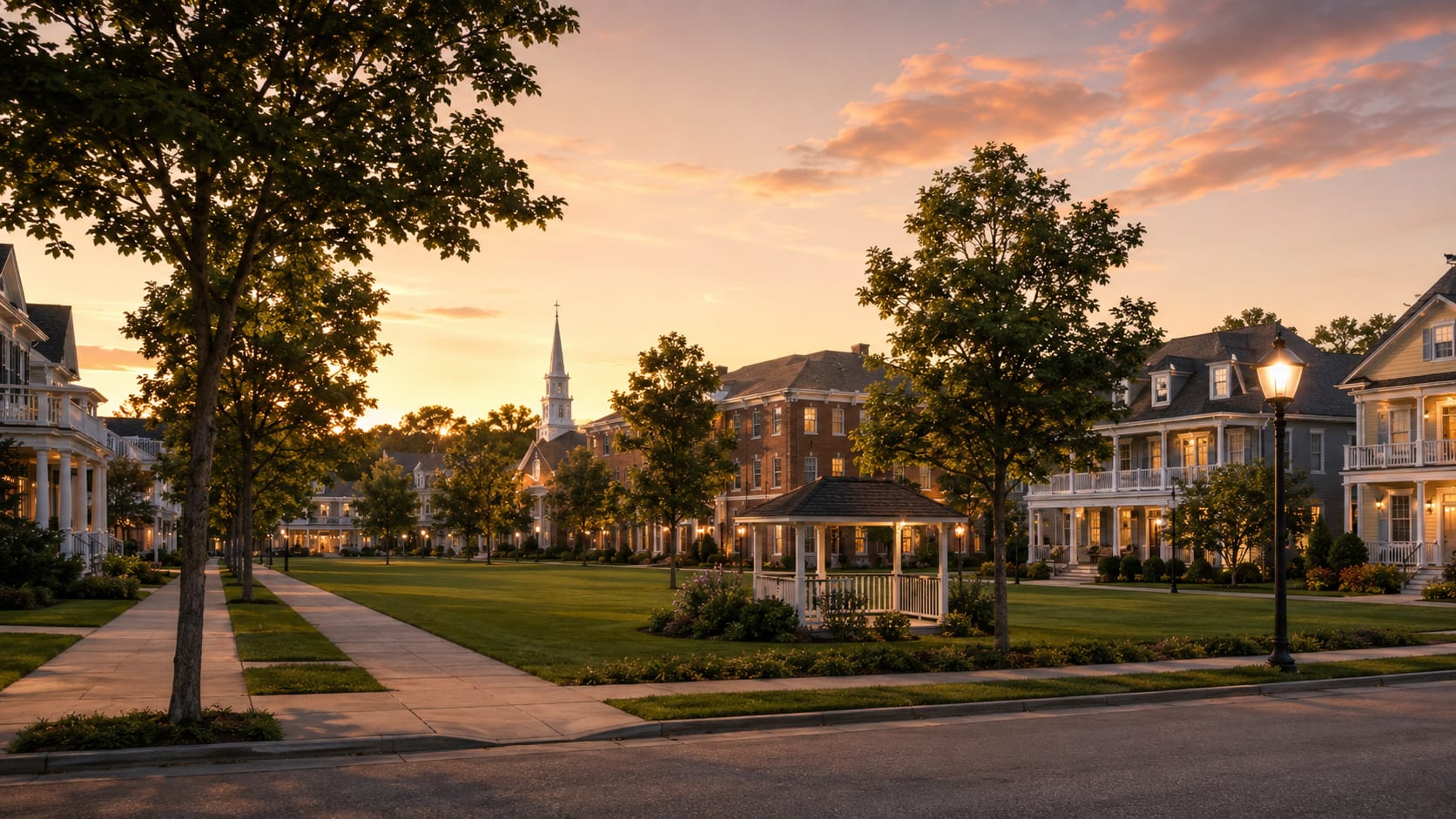
On the night of April 28, the Board of Mayor and Aldermen voted 5 to 3 to bring the Harlin development into the city. The project sits on the former Harlin family dairy farm, west of Hillview Lane and north of Coleman Road, just behind the Target and Kroger on Columbia Avenue. It clears the way for around 249 homes, an 80-key boutique inn, about 32,000 square feet of shops and workspace, and more than six miles of trails.
The developer is Boyle Investment Company, the Nashville and Memphis firm behind Berry Farms. To get here, the board had to do two things in sequence. First, annex 311 acres into Franklin. Then rezone that land to a Planned District with fifteen modifications to the standard development rules. Both passed the same night.
The fight was never really about whether Franklin grows. It was about one road. Columbia Avenue is already busy, and neighbors wanted proof the traffic would be handled before the homes arrive, not after. That single question shaped the entire deal.
Thanks for voting
Harlin is built around Franklin's Village Green design standard, a guideline Envision Franklin adopted in 2024 in response to residents who kept asking the city to balance preservation with growth. The rule requires at least 70 percent of the land to stay as open space. On Harlin, that works out to roughly 210 acres of preserved hillsides and fields, with development concentrated on the remaining slice.
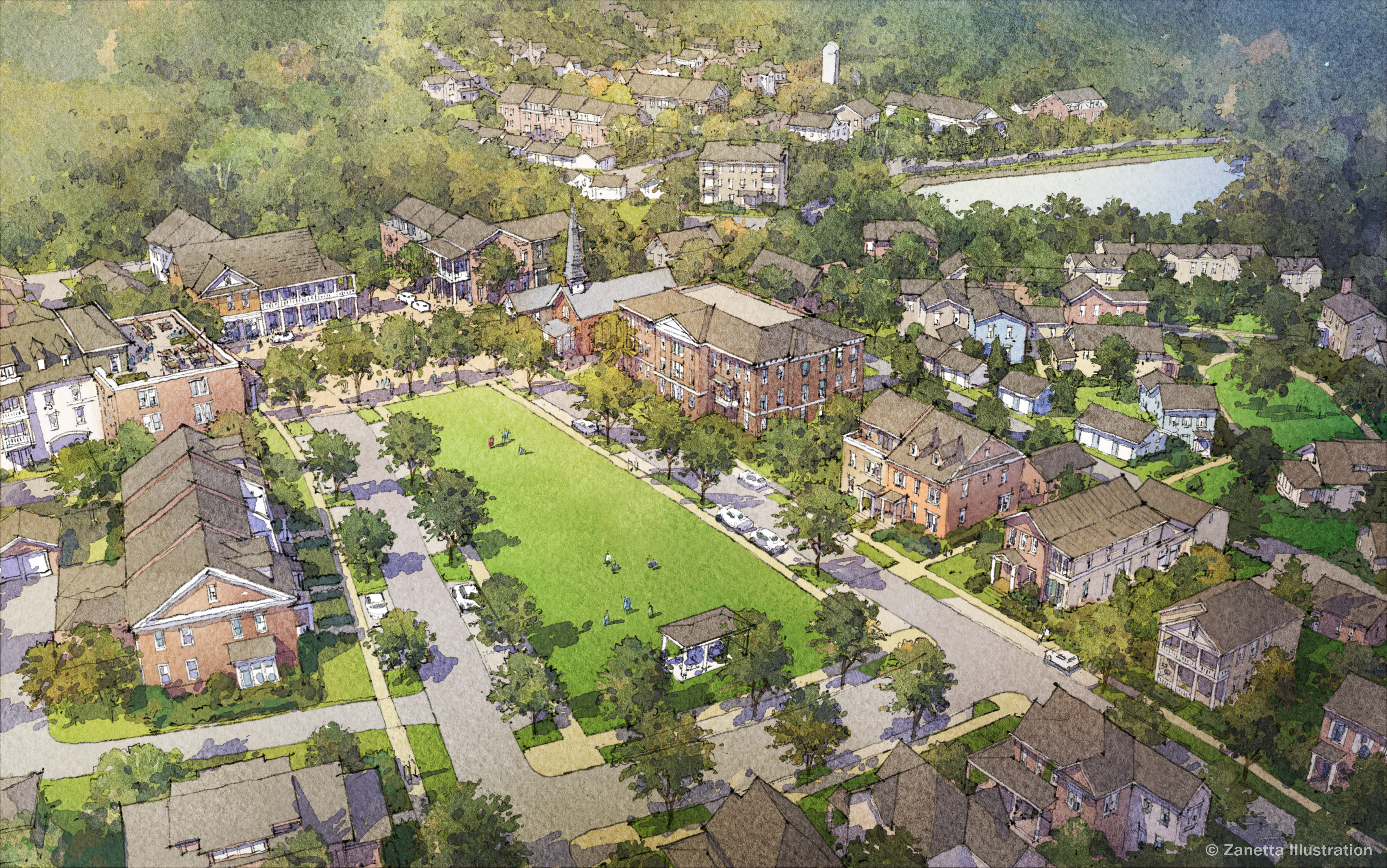
Inside that footprint, the plan mixes housing types rather than stamping out one subdivision. Expect estate homes on large lots, brownstones, and condominium flats with elevator access, ringed by two-to-eight-acre parcels meant to ease into the neighboring farms. The density lands at about 0.66 homes per acre, below the city's cap of one per acre. Boyle leaned on that number hard at the podium, framing Harlin as low-density by Franklin standards.
The commercial piece is modest on purpose. At roughly 32,000 square feet, the shops, post office, and inn at the village green add up to less retail than Berry Farms carries. The pitch is a walkable pocket where residents can reach the Target center on foot, with fewer car trips as a result.
The board also preserved the landmarks that gave the opposition its emotional weight. Winstead Hill, Franklin's first protected battleground site, and the Winstead Cemetery stay protected. Boyle says it moved most of the buildable area away from Hillview Lane to spare the scenic tree tunnel that neighbors spent last summer rallying to save.
About seventy people packed a neighborhood meeting at Fellowship Bible Church last August, and dozens more filed written comments against the project in the months that followed. Their concerns clustered around three things: traffic on an already-strained Columbia Avenue, the noise and density a new village would bring, and the character of a rural corner of Franklin's history.
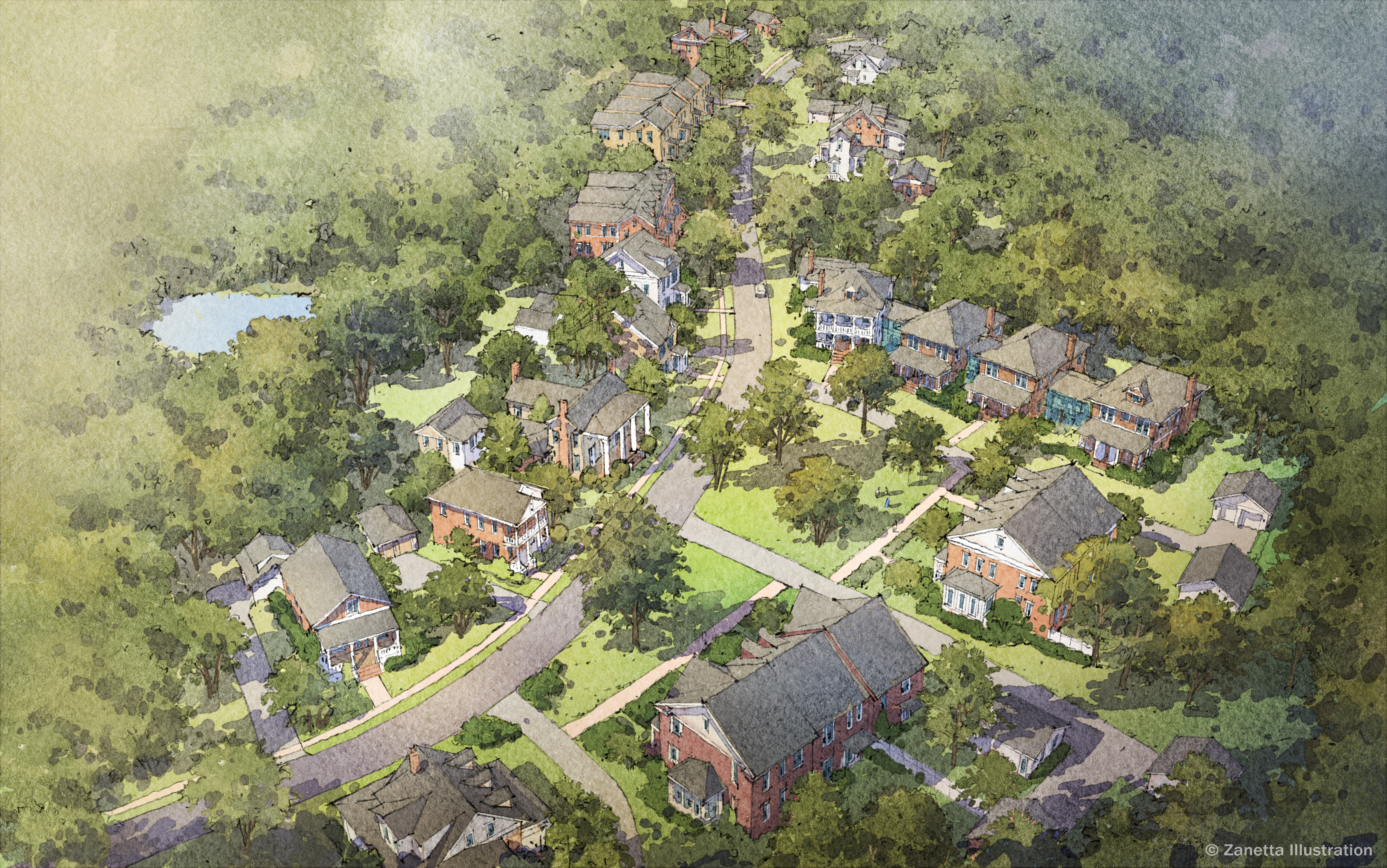
The tree tunnel on Hillview Lane became the symbol of the whole fight. To the families who live there, that canopy is a defining feature of the place, not just landscaping. The Heritage Foundation went further, arguing the area carries the same weight for Franklin as the courthouse or the Factory water tower.
Robby Upleger, who has raised his family near the growing Shadow Green neighborhood for a decade, spoke for many of his neighbors after the vote. He felt the city "didn't really listen or take care of its people" in his part of town. The frustration was less about the design of Harlin and more about whether anyone at City Hall heard them at all.
This is where the deal gets interesting, and where a quick headline misses the story. Boyle did not simply promise to be a good neighbor. The approval came bundled with binding road commitments, and the sequence matters more than the dollar figure.
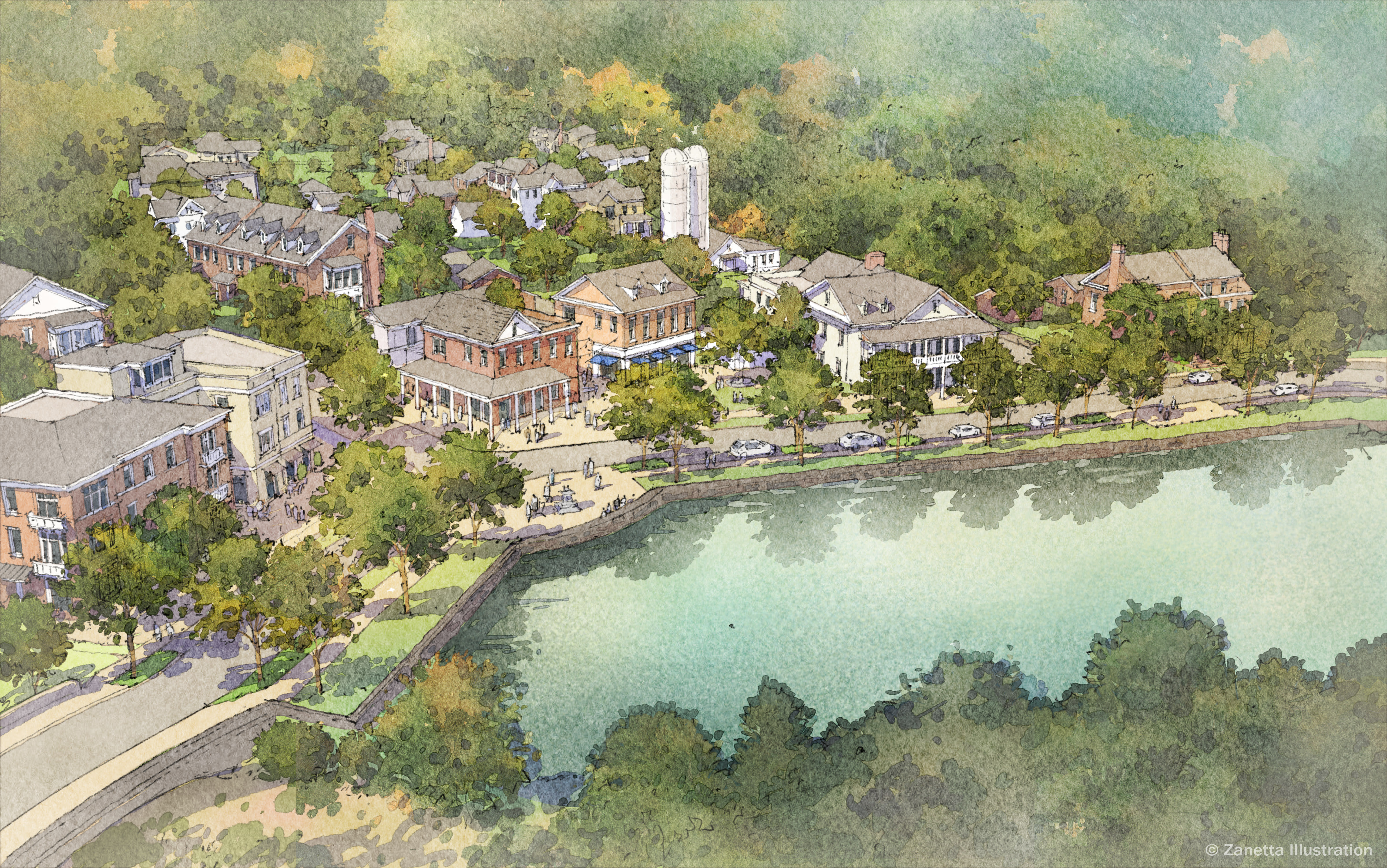
Boyle agreed to fund and finish a specific set of improvements before a single Harlin home is built. That includes new traffic signals on Columbia Avenue at Henpeck Lane and Coleman Road, an upgrade to the Henpeck and Coleman intersection, and a buildout of the Mack Hatcher and Columbia Avenue intersection to its full capacity. A new connector road will run from Mack Hatcher toward the Target center, pulling some local trips off the older lanes. Boyle has pegged the total at three to four times what the city's road impact fee formula would normally require, and signed a road impact fee offset agreement with the city worth up to about 4.6 million dollars.
That is a real win for the neighbors, and it is worth naming as one. Compare it to Berry Farms, where Boyle had to complete road work first before building anything, and the pattern is familiar. Infrastructure leads, homes follow.
Here is the catch, and it is the part worth sharing. The improvement that would actually relieve the corridor for everyone, the Mack Hatcher Southeast widening, is a Tennessee Department of Transportation project. The state has committed to it, backed by a recent Franklin property tax adjustment, but the timeline points to 2032. Harlin is phased to roughly match that schedule. So the intersections near the entrance get fixed early, while the wider relief the whole area is counting on stays years out.

Iron Hill Capital is a Tennessee lending company. Whether you're eyeing a place in a new village like Harlin or just weighing a move as the area grows, we can walk through creative financing options — or connect you with a local agent who knows these corridors.
Sponsored by Iron Hill Capital, a Tennessee lending company.
Get pre-approved with a Tennessee lender who knows what today's rates and inventory really mean for your budget.
Get pre-approvedTap into your home's value without selling. See what a cash-out refinance could free up at today's rates.
Explore cash-out refiGet matched with a local real estate pro who knows your market and can move at your pace.
Match with an agentThe big approvals are done. The land is in the city, the zoning is set, and the development plan carries fifteen agreed modifications to the standard rules. From here the story moves from votes to dirt.
Watch for the road work first. Under the deal, the signals and intersection improvements come ahead of home construction, so the earliest visible sign of Harlin will be cones and crews on Columbia Avenue rather than framing on the hill. Then watch the phasing. Boyle has tied each stage of building to infrastructure milestones, which means the pace of homes should track the pace of the roads. If the state's 2032 widening slips, expect that to become the next flashpoint.
Franklin Frontline reports the record, not the rumor. Every figure above is drawn from the sources below. Numbers shifted as the plan was revised, so where outlets reported a range we used the most detailed plan presented to residents and the city.
We sit in those rooms and write the plain-English walkthrough afterward. One email when there is a hearing, a guide, or a vote worth your attention.